
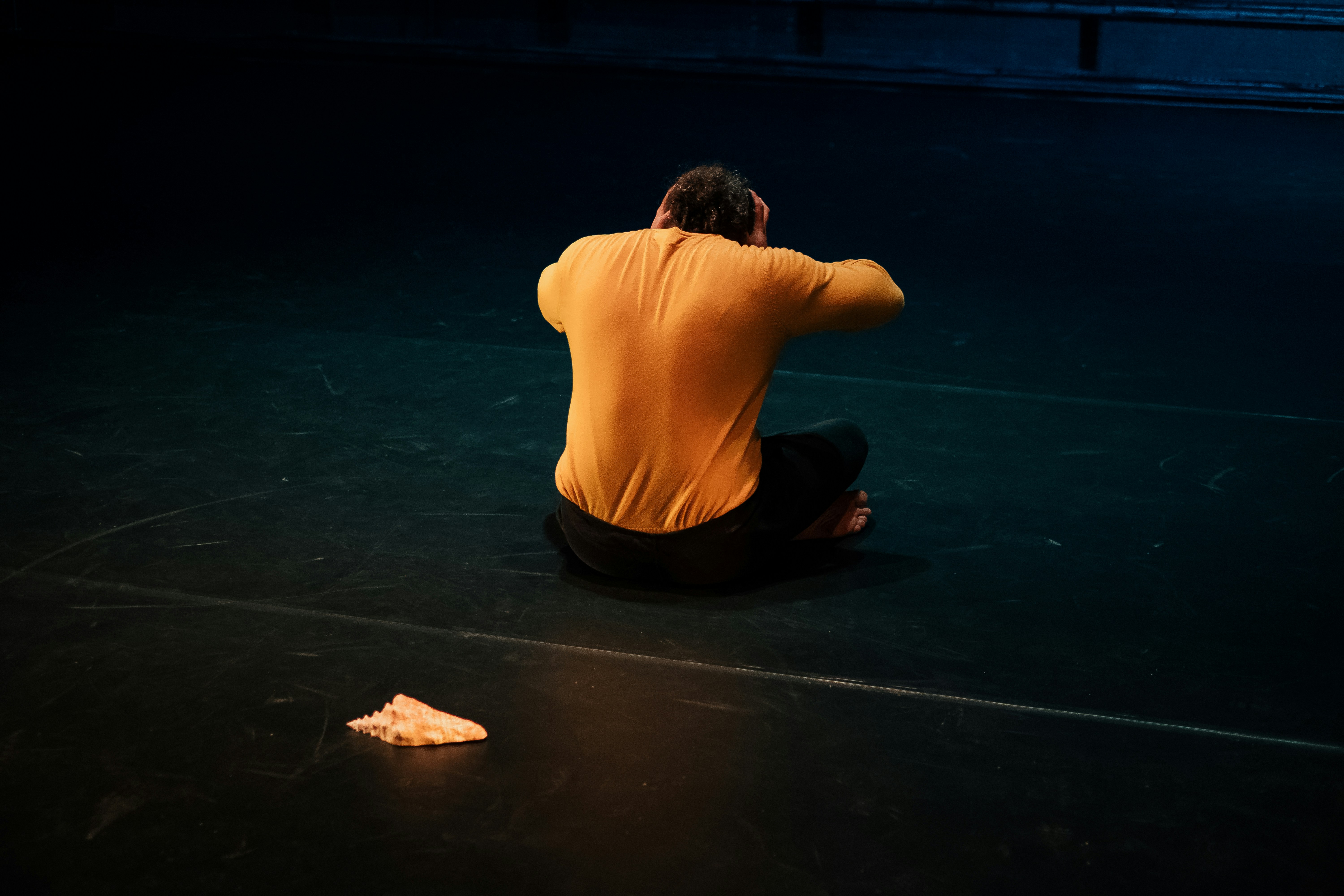
When High Stakes Feel Like High Stress
Performance anxiety extends far beyond the theater stage or sports field. Professionals across sectors—corporate executives, medical practitioners, educators, creatives, and more—often carry the invisible weight of high-stakes pressure. The fear of judgment, perfectionism, and high expectations can result in a silent psychological toll that affects well-being, clarity, and performance.
Unlike general nervousness, performance anxiety is a patterned, physiological and psychological experience that often intensifies over time if unaddressed. Fortunately, the fields of neuroscience, cognitive-behavioral therapy (CBT), somatic psychology, and mindfulness offer profound, actionable tools for overcoming it. This guide presents a comprehensive, step-by-step approach to help professionals transform anxiety into grounded confidence—scientifically and sustainably.
1. Understanding Performance Anxiety: A Multi-Layered Experience
1.1 What is Performance Anxiety?
Performance anxiety is a specific type of social anxiety triggered in contexts where one feels evaluated, observed, or judged. While mild anxiety can sharpen focus, excessive performance anxiety inhibits clarity, expression, and composure.
Symptoms include:
- Racing heart, shallow breathing, or trembling
- Negative self-talk (“I’m going to mess up”)
- Difficulty concentrating or memory lapses
- Avoidance or procrastination
Although not a distinct diagnosis, it shares traits with Social Anxiety Disorder in the DSM-5 (APA, 2013), particularly when it impairs functioning.
1.2 Neuroscience Behind the Panic
- Amygdala activation: The amygdala quickly processes threat signals, triggering fear even when the threat is symbolic (LeDoux, 2000).
- Prefrontal cortex inhibition: Under stress, this decision-making center loses efficiency, making it harder to focus or recall information (Arnsten, 2009).
- Hormonal storm: Cortisol and adrenaline prepare the body for a threat, yet over time can cause fatigue, poor memory, and anxiety disorders (Sapolsky, 2004).
1.3 Evolutionary Roots
Humans are wired for connection and social belonging. In evolutionary terms, being excluded from a tribe could mean death. Today, professional scrutiny can activate the same neural alarm bells, explaining why stakes often feel so high (Gilbert, 2001).
2. Identifying Triggers and Patterns
2.1 Common Triggers
- Delivering presentations
- Public speaking or training
- Job interviews or auditions
- Receiving critical feedback
- Social comparison in high-achievement environments
2.2 How to Track Your Anxiety
Self-awareness is the foundation for intervention. Use mood-tracking apps or a journal to document:
- Situational triggers
- Emotional responses
- Body sensations
- Behavior patterns
CBT’s cognitive model (Beck, 1979) helps:
- Situation → Thought → Emotion → Behavior
Example:
- Situation: Giving a quarterly report
- Thought: “If I mess up, I’ll be humiliated.”
- Emotion: Dread, anxiety
- Behavior: Over-prepare, avoid eye contact
3. Step-by-Step Guide to Overcoming Performance Anxiety
Step 1: Psychoeducation
Understanding the biology of anxiety demystifies it and reduces shame. Explore:
- Books: The Anxiety and Phobia Workbook (Bourne, 2015)
- Courses or webinars on stress neuroscience
- CBT psychoeducation tools
Step 2: Breathing and Grounding Techniques
Regulate the autonomic nervous system to shift from fight-or-flight (sympathetic) to rest-and-digest (parasympathetic):
- Box breathing: Inhale 4s → hold 4s → exhale 4s → hold 4s
- Diaphragmatic breathing: Deep belly breaths slow heart rate (Ma et al., 2017)
- 5-4-3-2-1 technique: Identify 5 things you see, 4 you feel, 3 you hear, 2 you smell, 1 you taste
These anchor you in the present, reducing spiraling thoughts.
Step 3: Challenge Cognitive Distortions
Performance anxiety thrives on faulty beliefs:
- “If I stumble, everyone will lose respect.”
- “One mistake means I’m a failure.”
Tools:
- Thought logs: Capture anxious thoughts
- Socratic questioning: “What evidence do I have?”
- Reframe: “Perfection isn’t the goal—connection is.”
(Beck, 2011)
Step 4: Practice Under Realistic Conditions
Desensitization builds comfort:
- Record practice sessions
- Present in front of a peer or mirror
- Simulate performance environments (Foa et al., 2005)
Each repetition rewires the fear circuit and strengthens neural confidence loops.
Step 5: Visualization and Mental Rehearsal
Mentally rehearsing a task activates the same brain pathways as real action (Driskell et al., 1994):
- Picture walking confidently on stage
- Hear your calm voice
- Imagine positive feedback afterward
Incorporate this daily for a week prior to an event.
Step 6: Embodied Presence and Somatic Work
Anxiety isn’t just in the mind—it lives in the body:
- Progressive Muscle Relaxation (Jacobson, 1938): Tense and relax muscle groups
- Power poses: 2 minutes of expansive posture increases testosterone, lowers cortisol (Carney et al., 2010)
- Felt sense work: Gendlin’s focusing technique helps identify and soothe somatic sensations
Step 7: Reconnect with Values and Purpose
When anxiety centers on performance, redirect your focus to purpose:
- Why is this task meaningful?
- Who benefits from your contribution?
ACT (Hayes et al., 1999) emphasizes values-based action over symptom reduction.
Step 8: Use Feedback Constructively
Feedback is not a judgment—it’s a growth tool:
- Ask for specific, constructive feedback
- Identify learning points without self-shaming
- Adopt a growth mindset: “This is a skill I’m improving.” (Dweck, 2006)
Step 9: Build Rituals for Confidence
Rituals send signals of safety to the brain:
- Calming teas, scent oils, or favorite songs
- Affirmations: “I am enough. I trust myself.”
- Grounding gestures: placing a hand over your heart
They become anchors in high-pressure moments.
Step 10: Seek Professional Support
If anxiety is chronic or debilitating:
- Consider CBT, ACT, or Mindfulness-Based Stress Reduction (MBSR)
- Join support groups or engage a performance coach
Therapy offers tools personalized to your specific profile and history (Hofmann et al., 2012).
4. Long-Term Strategies to Maintain Progress
- Weekly journaling to process thoughts and triggers
- Daily mindfulness practices (even 5 minutes)
- Physical movement: aerobic exercise boosts endorphins and reduces baseline anxiety (Salmon, 2001)
- Ongoing coaching or therapy to sustain progress
Burnout and pressure cycles are common. Long-term tools help create a buffer and build emotional endurance.
Conclusion: From Fear to Freedom
Performance anxiety is not a flaw—it’s a patterned response that can be understood, shifted, and transformed. With the right psychological insights and body-based practices, high-pressure moments can become opportunities for connection and growth.
As a professional, you are not here to perform perfectly—you’re here to connect, contribute, and grow. Anxiety may visit, but it doesn’t have to stay.
Step forward. Speak up. You’re ready.
References
- American Psychiatric Association. (2013). Diagnostic and statistical manual of mental disorders (5th ed.).
- Arnsten, A. F. T. (2009). Stress signalling pathways that impair prefrontal cortex structure and function. Nature Reviews Neuroscience.
- Beck, A. T. (1979). Cognitive therapy and the emotional disorders. Penguin.
- Beck, J. S. (2011). Cognitive behavior therapy: Basics and beyond. Guilford Press.
- Bourne, E. J. (2015). The Anxiety and Phobia Workbook. New Harbinger Publications.
- Carney, D. R., Cuddy, A. J., & Yap, A. J. (2010). Power posing: Brief nonverbal displays affect neuroendocrine levels and risk tolerance. Psychological Science.
- Driskell, J. E., Copper, C., & Moran, A. (1994). Does mental practice enhance performance? Journal of Applied Psychology.
- Dweck, C. S. (2006). Mindset: The new psychology of success. Random House.
- Foa, E. B., Hembree, E. A., & Rothbaum, B. O. (2005). Prolonged exposure therapy for PTSD: Emotional processing of traumatic experiences. Oxford University Press.
- Gendlin, E. T. (1996). Focusing. Bantam.
- Hayes, S. C., Strosahl, K. D., & Wilson, K. G. (1999). Acceptance and commitment therapy: An experiential approach to behavior change. Guilford Press.
- Hofmann, S. G., Asnaani, A., Vonk, I. J., Sawyer, A. T., & Fang, A. (2012). The Efficacy of Cognitive Behavioral Therapy: A Review of Meta-analyses. Cognitive Therapy and Research.
- Jacobson, E. (1938). Progressive relaxation. University of Chicago Press.
- Kabat-Zinn, J. (2003). Mindfulness-based interventions in context. Clinical Psychology: Science and Practice.
- Keng, S. L., Smoski, M. J., & Robins, C. J. (2011). Effects of mindfulness on psychological health: A review of empirical studies. Clinical Psychology Review.
- LeDoux, J. E. (2000). Emotion circuits in the brain. Annual Review of Neuroscience.
- Ma, X., Yue, Z. Q., Gong, Z. Q., Zhang, H., Duan, N. Y., Shi, Y. T., … & Li, Y. F. (2017). The effect of diaphragmatic breathing on attention, negative affect and stress in healthy adults. Frontiers in Psychology.
- Sapolsky, R. M. (2004). Why zebras don’t get ulcers. Holt Paperbacks.
- Salmon, P. (2001). Effects of physical exercise on anxiety, depression, and sensitivity to stress: A unifying theory. Clinical Psychology Review.
Leave a Reply