
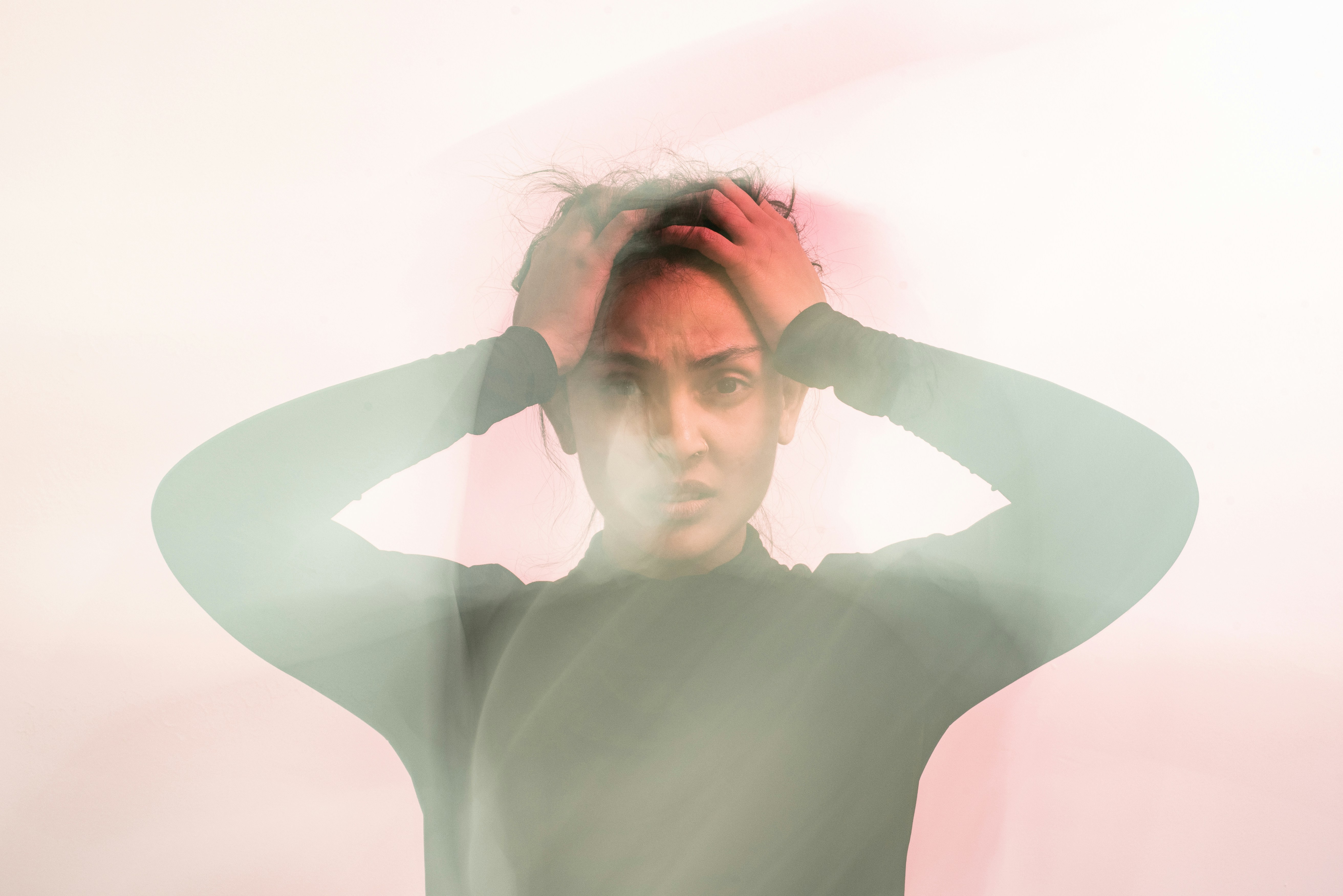
Anxiety, a familiar yet often misunderstood companion, impacts millions worldwide. It threads through the fabric of everyday life, subtly coloring thoughts, decisions, and actions. In today’s fast-paced world, recognising and effectively managing anxiety is not just beneficial; it’s essential for maintaining mental health and overall well-being. As a psychological coach, I encounter numerous clients grappling with anxiety in its various forms. This comprehensive guide aims to demystify anxiety, providing a clear understanding of its symptoms, underlying causes, and offering practical, scientifically-backed strategies for managing it.
What is Anxiety?
Anxiety is a natural human response to perceived threats and challenges, serving as a biological alarm system that alerts us to danger. However, when this response becomes overly sensitive or persistent without a real threat, it can evolve into an anxiety disorder, which includes generalised anxiety disorder (GAD), panic disorder, and social anxiety disorder, among others.
The Nature of Anxiety
Psychological and Physiological Symptoms
Psychological Symptoms:
- Constant worry or fear about different activities or events
- Difficulty controlling feelings of nervousness
- Irritability and restlessness
- Feelings of dread or impending doom
- Concentration difficulties
Physiological Symptoms:
- Increased heart rate
- Rapid breathing (hyperventilation)
- Sweating
- Trembling or shaking
- Fatigue or weakness
- Insomnia
These symptoms can be distressing and may significantly impact daily functioning and quality of life (American Psychiatric Association, 2013).
Understanding Anxiety Disorders
Types of Anxiety Disorders
Anxiety disorders encompass several specific types, each characterised by distinct symptoms and patterns:
- Generalised Anxiety Disorder (GAD) involves excessive, uncontrollable worry about various topics.
- Panic Disorder is marked by recurrent panic attacks, featuring sudden, intense bouts of fear or discomfort.
- Social Anxiety Disorder (SAD) focuses on intense fear of social situations and being judged or negatively evaluated by others.
- Phobias involve an irrational fear of specific situations or objects.
Each type of anxiety disorder requires tailored strategies for management and treatment.
Understanding the Root Causes
Genetic and Environmental Factors
Anxiety can be influenced by a combination of genetic predispositions and environmental factors. Genetics can play a role in making some individuals more susceptible to anxiety than others. Simultaneously, life experiences such as early childhood trauma, stressful life events, and learned behaviours from family can trigger or exacerbate anxiety symptoms (Hettema, Neale, & Kendler, 2001).
Neurobiological Influences
Research has shown that anxiety disorders can be linked to disruptions in brain circuits that regulate fear and emotions. Neurotransmitters like serotonin and dopamine, which help regulate mood, may also be out of balance in anxious individuals (Maron & Nutt, 2017).
Strategies for Managing Anxiety
Cognitive Behavioural Therapy (CBT)
CBT is one of the most effective treatments for anxiety disorders, helping individuals identify and challenge negative thought patterns and behaviours that cause or worsen anxiety. CBT teaches coping skills that target the cognitive distortions typical of anxiety, such as “catastrophising” or “overgeneralising” (Hofmann, Asnaani, Vonk, Sawyer, & Fang, 2012).
Mindfulness and Meditation
Mindfulness meditation helps individuals focus on the present moment, cultivating an attitude of acceptance toward their experiences, thereby reducing the impact of anxiety. Mindfulness-based stress reduction (MBSR) and mindfulness-based cognitive therapy (MBCT) are particularly effective for reducing anxiety symptoms (Kabat-Zinn, 1990; Segal, Williams, & Teasdale, 2002).
Physical Activity
Regular exercise has been proven to decrease overall levels of tension, elevate and stabilise mood, improve sleep, and boost self-esteem. Even five minutes of aerobic exercise can stimulate anti-anxiety effects, making physical activity a powerful tool for anxiety management (Anderson & Shivakumar, 2013).
Nutritional Adjustments
Diet can significantly impact anxiety. Studies suggest that a diet high in refined sugars and processed foods may increase anxiety symptoms, whereas a diet rich in whole grains, vegetables, protein-rich foods, and omega-3 fatty acids can reduce them (Jacka et al., 2010).
Lifestyle Modifications
Simple lifestyle changes can have a profound impact on anxiety levels. Regular physical exercise, adequate sleep, a balanced diet, and time management strategies can all contribute to reduced anxiety. Additionally, avoiding excessive caffeine and alcohol, known to exacerbate anxiety symptoms, is also beneficial (Ströhle, 2009).
Creating a Supportive Environment
Building a supportive network, both personally and professionally, can help alleviate feelings of anxiety. Social support not only provides a buffer against stress but also enriches personal relationships, which can be particularly beneficial for those with social anxiety (Kawachi & Berkman, 2001).
Other Solutions for Managing Anxiety
Biofeedback and Neurofeedback
Biofeedback and neurofeedback are cutting-edge techniques that train individuals to control physiological processes that are normally involuntary, like heart rate or brain activity. These tools can be particularly effective in teaching anxious individuals how to physically calm themselves during anxiety-inducing situations (Prinsloo, Derman, Lambert, & Rauch, 2013).
Virtual Reality (VR) Therapy
VR therapy is an innovative treatment that exposes individuals to anxiety-triggering situations in a controlled, virtual environment, allowing them to practice coping strategies and confront their fears safely. This can be particularly effective for specific phobias or social anxiety (Maples-Keller, Bunnell, Kim, & Rothbaum, 2017).
Conclusion
Understanding and managing anxiety is a complex, yet achievable task. By combining psychological therapies like CBT and mindfulness with lifestyle changes such as regular exercise and dietary adjustments, individuals can effectively manage and reduce their anxiety symptoms. For those needing more targeted interventions, advanced techniques like biofeedback offer additional support. Embracing these strategies can transform anxiety from a debilitating condition into a manageable aspect of life, enabling individuals not just to survive but to thrive.
References
- American Psychiatric Association. (2013). Diagnostic and Statistical Manual of Mental Disorders (5th ed.). American Psychiatric Publishing.
- Anderson, E., & Shivakumar, G. (2013). Effects of exercise and physical activity on anxiety. Frontiers in Psychiatry, 4, 27.
- Bandelow, B., Sher, L., Bunevicius, R., et al. (2017). Guidelines for the pharmacological treatment of anxiety disorders, obsessive-compulsive disorder, and posttraumatic stress disorder in primary care. International Journal of Psychiatry in Clinical Practice, 21(2), 84-92.
- Hettema, J. M., Neale, M. C., & Kendler, K. S. (2001). A review and meta-analysis of the genetic epidemiology of anxiety disorders. American Journal of Psychiatry, 158(10), 1568-1578.
- Hofmann, S. G., Asnaani, A., Vonk, I. J., Sawyer, A. T., & Fang, A. (2012). The efficacy of cognitive behavioral therapy: A review of meta-analyses. Cognitive Therapy and Research, 36(5), 427-440.
- Hoge, E. A., Bui, E., Marques, L., Metcalf, C. A., Morris, L. K., Robinaugh, D. J., Worthington, J. J., Pollack, M. H., & Simon, N. M. (2013). Randomized controlled trial of mindfulness meditation for generalized anxiety disorder: Effects on anxiety and stress reactivity. Journal of Clinical Psychiatry, 74(8), 786-792.
- Jacka, F. N., Pasco, J. A., Mykletun, A., Williams, L. J., Hodge, A. M., O’Reilly, S. L., Nicholson, G. C., Kotowicz, M. A., & Berk, M. (2010). Association of Western and traditional diets with depression and anxiety in women. American Journal of Psychiatry, 167(3), 305-311.
- Kabat-Zinn, J. (1990). Full Catastrophe Living: Using the Wisdom of Your Body and Mind to Face Stress, Pain, and Illness. Delacorte.
- Kawachi, I., & Berkman, L. F. (2001). Social ties and mental health. Journal of Urban Health, 78(3), 458-467.
- Kessler, R. C., Chiu, W. T., Demler, O., Merikangas, K. R., & Walters, E. E. (2005). Prevalence, severity, and comorbidity of twelve-month DSM-IV disorders in the National Comorbidity Survey Replication (NCS-R). Archives of General Psychiatry, 62(6), 617-627.
- LeDoux, J. (2000). Emotion Circuits in the Brain. Annual Review of Neuroscience, 23, 155-184.
- Maron, E., & Nutt, D. (2017). Biological markers of generalized anxiety disorder. Dialogues in Clinical Neuroscience, 19(2), 147-158.
- Maples-Keller, J. L., Bunnell, B. E., Kim, S. J., & Rothbaum, B. O. (2017). The use of virtual reality technology in the treatment of anxiety and other psychiatric disorders. Harvard Review of Psychiatry, 25(3), 103-113.
- Moss, D., & Shaffer, F. (2017). Biofeedback and Neurofeedback Applications in Sport Psychology. Association for Applied Psychophysiology and Biofeedback.
- Prinsloo, G. E., Derman, W. E., Lambert, M. I., & Rauch, H. G. L. (2013). The effect of a single episode of short duration heart rate variability biofeedback on measures of anxiety and relaxation states. International Journal of Stress Management, 20(4), 391-411.
- Segal, Z. V., Williams, J. M. G., & Teasdale, J. D. (2002). Mindfulness-Based Cognitive Therapy for Depression: A New Approach to Preventing Relapse. Guilford Press.
- Ströhle, A. (2009). Physical activity, exercise, depression and anxiety disorders. Journal of Neural Transmission, 116(6), 777-784.
Leave a Reply