
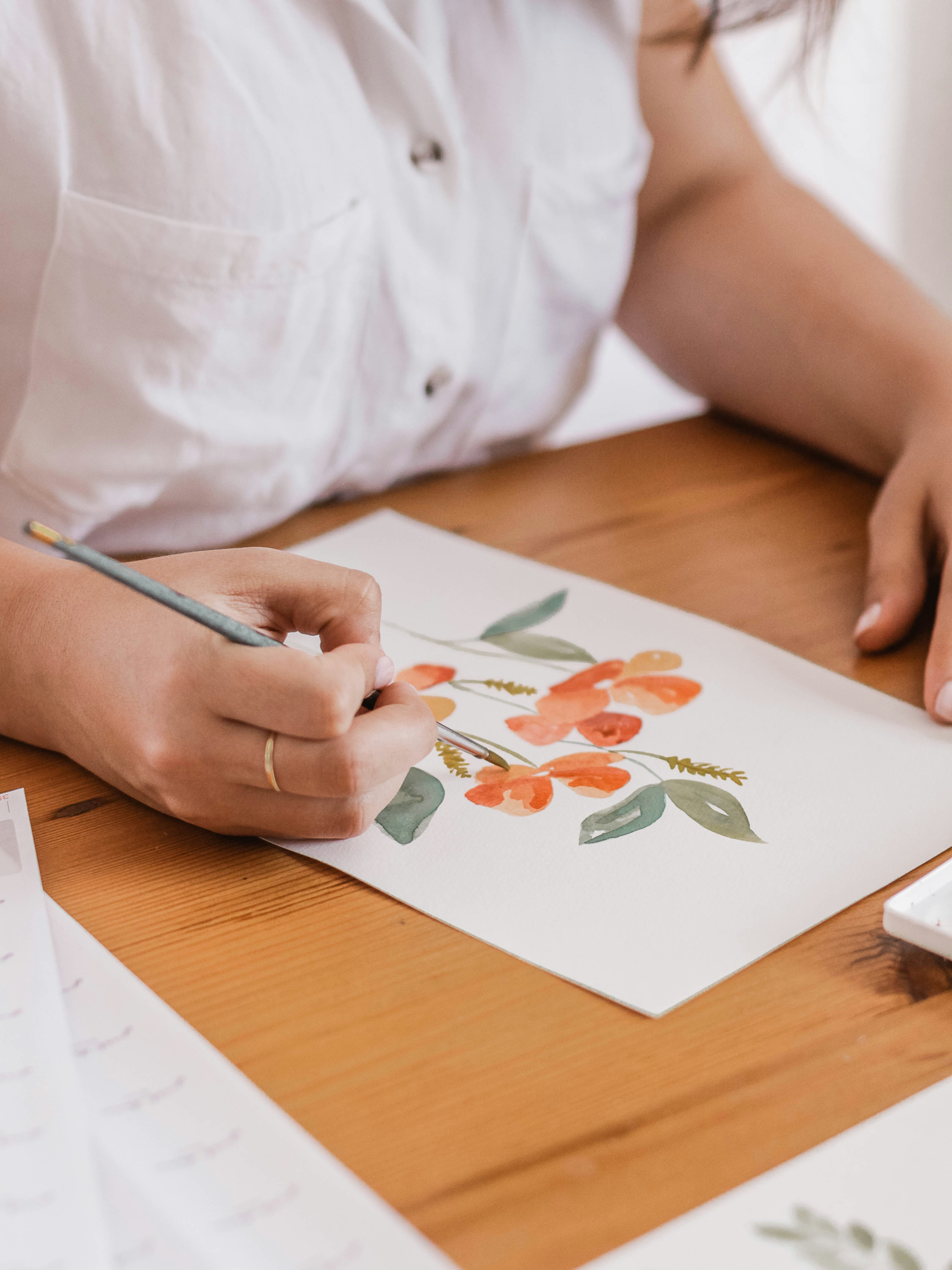
In the realm of therapeutic practices, art therapy emerges as a vibrant tapestry of colours, shapes, and textures, offering a unique pathway to healing and self-discovery. Beyond the conventional verbal communication of traditional psychotherapy, art therapy engages the creative process as a means of exploring emotional depths, facilitating personal growth, and fostering psychological resilience. As a psychological coach, I have witnessed the profound impact of art therapy on individuals navigating the complexities of mental health challenges. Supported by a wealth of psychological research, this post delves into the benefits of art therapy, exploring its therapeutic mechanisms, its impact on mental health, and practical insights into incorporating art therapy into the journey towards well-being.
The Essence of Art Therapy
Defining Art Therapy
Art therapy, as defined by the American Art Therapy Association, is a mental health profession in which clients, facilitated by an art therapist, use art media, the creative process, and the resulting artwork to explore their feelings, reconcile emotional conflicts, foster self-awareness, manage behaviour and addictions, develop social skills, improve reality orientation, reduce anxiety, and increase self-esteem (American Art Therapy Association, n.d.).
Theoretical Foundations
The therapeutic power of art is rooted in several psychological theories, including psychoanalytic theory, which emphasises the importance of unconscious processes and symbolic communication (Rubin, 2005), and humanistic theory, which focuses on self-exploration and personal growth (Malchiodi, 2012). Art therapy provides a non-verbal medium through which individuals can express and explore complex emotions and experiences, facilitating insight and healing in ways that words alone may not capture.
The Multifaceted Benefits of Art Therapy
Enhancing Emotional Expression and Regulation
Art therapy offers a safe and accessible outlet for expressing emotions that might be difficult to verbalise. By externalising feelings onto a physical medium, individuals can gain new perspectives on their emotional experiences, promoting greater understanding and regulation. Studies have shown that engagement in art therapy can significantly reduce symptoms of anxiety and depression, underscoring its effectiveness in managing emotional distress (Stuckey & Nobel, 2010).
Fostering Self-Discovery and Identity
The creative process inherent in art therapy encourages self-exploration and the construction of personal identity. Through the creation and interpretation of artwork, individuals can uncover aspects of their self-concept, explore their values and beliefs, and express their unique identity. This process of self-discovery can be particularly empowering for those who feel marginalised or struggle with issues of identity (Gussak & Rosal, 2016).
Promoting Mindfulness and Stress Reduction
Art therapy can be a meditative practice, fostering mindfulness and present-moment awareness. The focus and immersion in the creative process help to quiet the mind, reduce stress, and induce a state of flow, similar to meditation (Kapitan, 2010). This can lead to decreased levels of cortisol, the stress hormone, and promote relaxation and well-being.
Facilitating Communication and Social Skills
For individuals who struggle with verbal communication, art therapy provides an alternative means of expression and connection. It can be particularly beneficial for children, adolescents, and those with communication challenges, such as autism spectrum disorder, enabling them to convey their thoughts and feelings in a supportive environment (Epp, 2008). Moreover, group art therapy sessions can enhance social skills, empathy, and a sense of community among participants.
Supporting Trauma Recovery
Art therapy has been recognised as an effective intervention for trauma recovery, providing a way to process and integrate traumatic memories safely. The symbolic expression through art allows individuals to distance themselves from the trauma, reducing its emotional intensity and facilitating coping and resilience (Hass-Cohen & Carr, 2008).
Incorporating Art Therapy into Mental Health Care
Accessing Professional Art Therapy Services
Engaging with a qualified art therapist ensures that the therapeutic process is guided safely and effectively. Professional art therapists are trained to tailor interventions to each individual’s needs, facilitating the exploration of artwork and the therapeutic process in a supportive, confidential environment.
Exploring Art Therapy Independently
While professional guidance is invaluable, individuals can also explore the benefits of art therapy independently. Engaging in creative activities, such as drawing, painting, collage, or sculpture, can provide a therapeutic outlet and an opportunity for self-reflection and emotional exploration. However, it’s important to approach this process with self-compassion and without judgment, focusing on the experience rather than the artistic outcome.
Strategies for Incorporation Art Therapy Into Daily Mental Health Practices, Independently
Incorporating art therapy into daily mental health practices involves innovative and accessible strategies that can significantly enhance emotional well-being outside of the traditional therapeutic setting. By engaging with art as a regular part of self-care, individuals can tap into the healing power of creativity, fostering resilience, self-expression, and mindfulness. Expanding upon foundational art therapy practices, this section explores unique and advanced strategies for integrating art therapy into daily routines, guided by academic research and therapeutic insights.
Integrative Art Journaling
Integrative art journaling combines written reflections with visual art-making, offering a comprehensive approach to self-exploration and emotional processing. This practice encourages individuals to use drawings, paintings, and collage within a journal as a means to visually express thoughts and feelings that might be difficult to articulate in words alone. Adams (2013) highlights the therapeutic value of art journaling in promoting self-discovery and emotional release, suggesting its potential as a daily mental health practice.
Digital Art Therapy
With the rise of digital technology, digital art therapy has emerged as a versatile and accessible medium for creative expression. Using digital painting software, apps, or graphic design tools, individuals can explore art-making in a virtual environment. Orr (2014) discusses the benefits of digital art therapy, including its convenience, the wide range of available tools, and the ability to easily edit and transform artworks. This modality can be particularly appealing for those who are comfortable with technology and looking for flexible ways to incorporate art therapy into their lives.
Mindful Photography
Mindful photography involves taking photographs with a focus on the present moment, paying close attention to the environment, emotions, and sensations experienced while capturing images. This practice can heighten mindfulness and promote a deep connection with one’s surroundings. Kaplan (2011) explores how mindful photography can serve as a meditative practice, enhancing awareness and appreciation of the ordinary moments, and facilitating a non-judgmental stance toward one’s experiences.
Nature-Based Art Therapy
Nature-based art therapy combines the therapeutic benefits of spending time in nature with creative expression. Activities such as creating land art, drawing or painting outdoors, or using natural materials in artwork can foster a sense of connection with the natural world, promoting relaxation and environmental mindfulness. Chilton and Leavy (2014) discuss how nature-based art therapy can support healing and growth, emphasising the synergistic effects of art-making and nature immersion on mental health.
Body Mapping
Body mapping is an artistic process where individuals create life-sised representations of their bodies, using drawing, painting, or collage to explore personal narratives, health experiences, and emotional states. This practice can be particularly powerful in enhancing body awareness, self-esteem, and processing physical and emotional experiences. Sullivan (2016) highlights the use of body mapping in therapeutic settings to facilitate self-expression and identity exploration, suggesting its potential for daily self-care practices focused on body positivity and emotional health.
Art as Ritual
Incorporating art-making into daily or weekly rituals can imbue the practice with a sense of significance and structure. Creating art as a ritual—for example, setting aside time each week to paint, sculpt, or engage in other creative activities—can establish a dedicated space for emotional processing and reflection. Crossley (2010) explores the role of rituals in psychological well-being, noting how art-making rituals can serve as anchor points in one’s routine, offering stability and a regular outlet for expression.
Conclusion
Art therapy stands as a testament to the healing power of creativity, offering a profound means of exploring the self, navigating emotional landscapes, and fostering psychological growth. Whether facilitated by a professional or explored independently, the practice of art therapy provides a unique and powerful tool for enhancing mental health and well-being. In embracing the creative process, individuals can uncover new pathways to healing, resilience, and self-discovery, painting their way toward a brighter, more colourful future. By expanding the repertoire of art therapy practices to include integrative art journaling, digital art therapy, mindful photography, nature-based art therapy, body mapping, and art as ritual, individuals can discover innovative and meaningful ways to enhance their mental health and well-being. These advanced strategies offer diverse avenues for creative expression, self-exploration, and mindfulness, emphasising the versatility and accessibility of art therapy as a daily mental health practice.
References
- Adams, K. (2013). Journal to the Self: Twenty-Two Paths to Personal Growth. Grand Central Publishing.
- American Art Therapy Association. (n.d.). What is Art Therapy? [Webpage]. Retrieved from https://arttherapy.org/about-art-therapy/
- Chilton, G., & Leavy, P. (2014). Arts-Based Research Practice: Merging Social Research and the Creative Arts. Guilford Press.
- Crossley, N. (2010). The social body: Habit, identity and desire. Sage.
- Epp, K. M. (2008). Outcome-based evaluation of a social skills program using art therapy and group therapy for children on the autism spectrum. Children & Schools, 30(1), 27-36.
- Gussak, D., & Rosal, M. L. (Eds.). (2016). The Wiley Handbook of Art Therapy. John Wiley & Sons.
- Hass-Cohen, N., & Carr, R. (2008). Art Therapy and Clinical Neuroscience. Jessica Kingsley Publishers.
- Kapitan, L. (2010). Introduction to art therapy research. Taylor & Francis.
- Kaplan, A. (2011). The conduct of inquiry in international relations: Philosophy of science and its implications for the study of world politics. Routledge.
- Malchiodi, C. A. (2012). Handbook of Art Therapy (2nd ed.). Guilford Press.
- Orr, P. (2014). Digital media and creativity: Teaching new media literacies in art education. Art Education, 67(2), 18-23.
- Rubin, J. A. (2005). Child Art Therapy: Understanding and Helping Children Grow Through Art (3rd ed.). John Wiley & Sons.
- Stuckey, H. L., & Nobel, J. (2010). The connection between art, healing, and public health: A review of current literature. American Journal of Public Health, 100(2), 254-263.
- Sullivan, G. (2016). Art-based research and art therapy. In Art Therapy and Health Care (pp. 57-70). Guilford Press.
Leave a Reply