
Most of us think of play as something that belongs in childhood—finger paints and playground antics best left to kids. Yet, a growing body of research in psychology, neuroscience, and education reveals that play remains crucial throughout adulthood (Brown & Vaughan, 2009; Gray, 2013). Far from being frivolous or childish, play in adult life can sharpen creativity, strengthen social bonds, and foster emotional well-being. Whether it’s improvising silly games with friends, indulging in a hobby, or exploring playful side projects, making time for unstructured fun can transform stress into vitality and monotony into excitement.
This article dives into the role of play in adult life—why it’s helpful, how it shapes our brains and relationships, and practical ways to reintroduce playful practices into even the busiest schedules. We’ll address scientific findings on the cognitive and emotional benefits, explore various forms of adult play, and offer real-life examples to show how we can all cultivate a lighter, more open-hearted approach to living.
1. Understanding Play Beyond Childhood
1.1. Defining Adult Play
Play typically involves activities done for enjoyment rather than practical purposes (Henricks, 2015). It’s undertaken voluntarily, often with an attitude of curiosity, creativity, or spontaneity (Brown & Vaughan, 2009). For adults, play might look like:
- A group of colleagues inventing an office mini-game with paper balls during breaks
- A book club choosing whimsical reading challenges (like reading every novel set on Mars)
- A musician casually jamming with friends, unattached to specific performance goals
Key Point: While children’s play is usually physical or imaginative, adult play often includes playful banter, artistic hobbies, sports leagues, role-playing games, or even comedic interactions. The main thread is that it feels voluntary, fun, and fosters an atmosphere of openness or exploration (Schaefer & Drewes, 2014).
1.2. Why Adults Abandon Play
Society often dismisses play as unproductive or immature, implying that “serious” adults focus on responsibilities—bills, career, family chores—leaving no room for “frivolous” activities (Gray, 2013). As a result, many people bury their playful impulses, limiting play to brief vacations or mindless phone scrolling. However, true play is neither idle nor trivial. Instead, it taps into essential cognitive and emotional systems that keep us adaptable, resilient, and socially connected (Brown, 2009).
2. The Science of Play: Cognitive and Emotional Benefits
2.1. Enhancing Creativity and Problem-Solving
Play activates brain circuits involved in curiosity, exploration, and divergent thinking—key elements of creativity (Amabile, 1996; Schaefer & Drewes, 2014). Unstructured fun allows the mind to wander in unconventional directions, forging fresh connections between ideas. For instance, messing around with watercolor paints or experimental cooking might spark innovative solutions for your business or personal challenges.
An Example
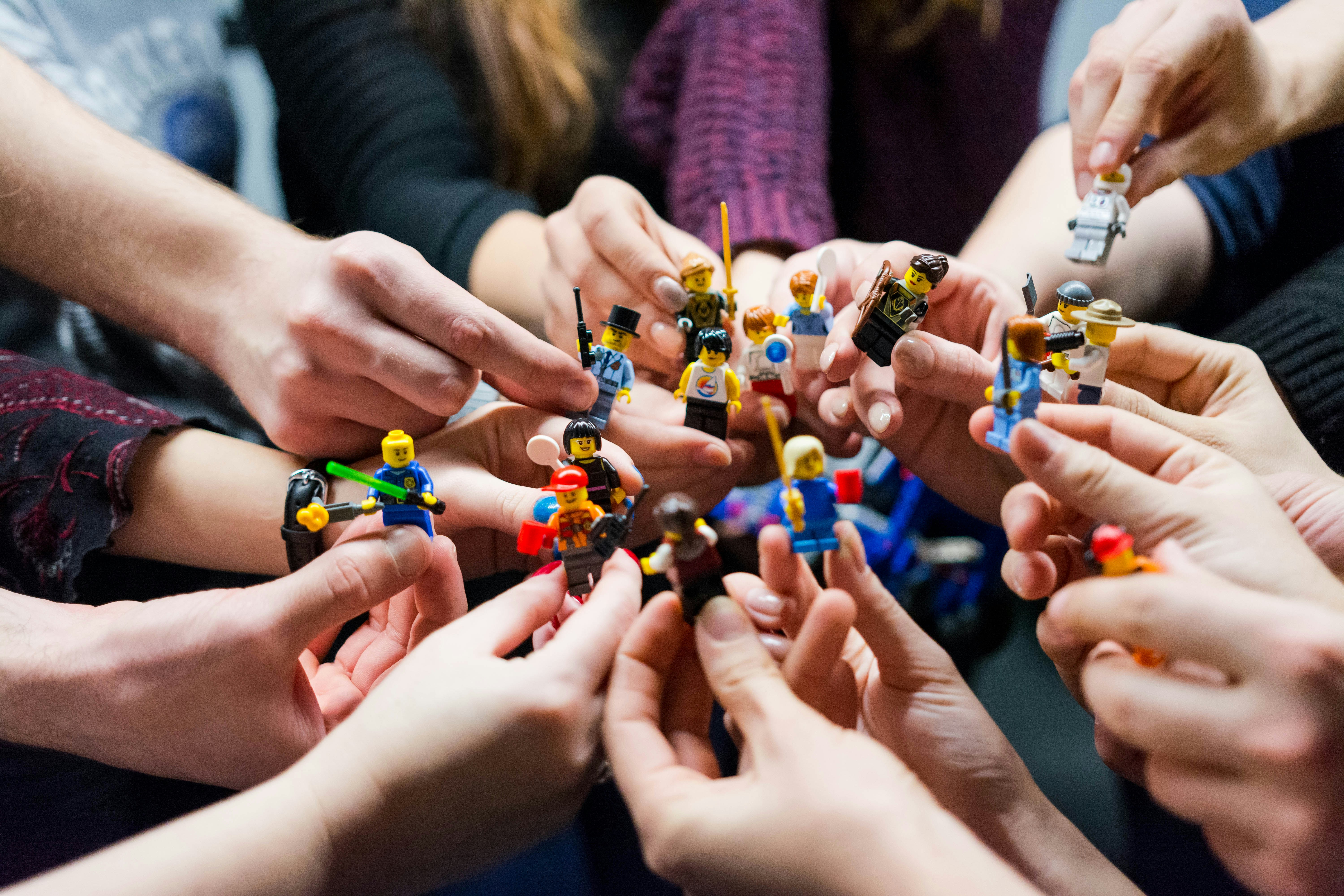
- Tech Innovator: Sarah struggles with a coding bug. After taking a “play break” building LEGO structures with colleagues, she returns with a more flexible mindset. Freed from linear thinking, she spots a simpler code fix, crediting the playful break for her sudden clarity.
2.2. Stress Relief and Mood Regulation
Adult play triggers positive emotions, from mild amusement to joyful exhilaration (Fredrickson, 2001). These pleasurable states reduce cortisol levels—stress hormones—promoting calmness (Panksepp, 1998; Brown & Vaughan, 2009). Over time, regularly engaging in playful activities can buffer burnout, mitigate anxiety, and help break rigid mental loops that sustain worry.
Study Insight
- A 2017 study found participants who engaged in short daily play sessions (e.g., 15 minutes of a drawing game) reported less perceived stress and greater relaxation compared to a control group (Cheng & Furnham, 2017).
2.3. Fostering Social Bonds and Empathy
Group play—like board games, team sports, or collaborative art—encourages shared laughter, cooperation, and trust, crucial for forging deeper connections (Huizinga, 1950; Gray, 2013). Laughing or tackling playful challenges together fosters empathy, as we see each other’s spontaneous, authentic sides (Van Vleet & Feeney, 2015).
3. Types of Play in Adult Life
Despite our adult responsibilities, there are many pathways to playful engagement:
3.1. Physical Play
Sports, dance, or active games that spark endorphins and a sense of camaraderie. Examples:
- Weekend Soccer League: Adults gather for a casual match, focusing on fun over competition.
- Dance Night: Couples try salsa or swing classes purely for enjoyment.
3.2. Social Play and Collaborative Games
Community or online tabletop role-playing, board games, or improv groups. Interaction is key, focusing on cooperation or friendly rivalry (Eberle, 2014).
- Example: A monthly “board game potluck” with friends can be a comedic, unguarded way to bond and release stress.
3.3. Creative Play and Hobbies
Artistic hobbies (painting, writing fan fiction, crocheting plushies) or tinkering (DIY electronics, model-building) without performance pressure. Engaging in “flow” states encourages skill growth and intrinsic joy (Csikszentmihalyi, 1990).
- Example: A banker by day sets aside weekends to sculpt clay figures, purely for self-expression. Over time, these sessions become her highlight, inspiring creativity in other aspects of life.
3.4. Mental/Puzzle Play
Puzzles, riddles, strategy games (like chess), or language games that challenge the mind in a playful manner (Brown, 2009).
- Example: Lunchtime crosswords, escape-room events, or friendly puzzle races can heighten intellectual stimulation while keeping the mood light.
3.5. Digital or Virtual Play
Yes, adult gamers exist. Multiplayer online games or VR experiences can satisfy the need for exploration, social interaction, or whimsical escapism—provided it’s balanced with offline life (Chirico et al., 2017).
4. Making Time for Play Amid Adult Responsibilities
4.1. Overcoming Guilt and “Wasted Time” Myths
One barrier to adult play is the guilt that it’s “unproductive.” However, studies suggest strategic play is productive—boosting creativity, mental health, and resilience (Brown & Vaughan, 2009). Reframing play as recharging can reduce guilt and affirm its integral role in a balanced lifestyle (Caprara & Cervone, 2000).
4.2. Scheduling Unstructured Fun
While spontaneous play is wonderful, busy adults sometimes need to plan leisure time, ironically. Mark a weekly “play slot” where you do something purely enjoyable—no chores, no hustle. This dedicated time fosters the “explorer’s mindset” essential for relaxation (Wood & Neal, 2007).
Practical Tip
- Play Calendar: Block 1–2 hours on weekends for a new board game, art jam, or low-stakes experiment (like baking wildly flavored cupcakes).
4.3. Using Micro-Breaks
Play needn’t demand huge blocks of time. Short bursts—like a 5-minute puzzle, stretching in silly poses, or a quick playground chase with your kids—infuse daily life with micro-pleasure, resetting mental fatigue (Henricks, 2015).
- Office Example: A design firm sets up a “creative corner” with coloring books and shape puzzles where employees can step away from the desk for micro-plays, returning refreshed.
5. Real-Life Benefits and Illustrations
5.1. Reducing Stress and Emotional Burnout
Case:
- Melanie, a nurse on busy hospital shifts, found play crucial to decompress. After experiencing near-burnout, she joined a casual adult dodgeball league. The weekly laughter and playful competition became her emotional lifeline. She noted improved patience at work and less mental exhaustion, aligning with research that playful activities reduce stress and cortisol (Panksepp, 1998).
5.2. Strengthening Relationships and Marriages
Case:
- James and Irene, married for 10 years, realized they seldom spent time together without discussing bills or kids. They started a monthly “play date,” rotating fun ideas—like mini-golf or cooking weird recipe challenges. The shared laughter re-ignited intimacy and mutual fondness, reflecting evidence that couples who engage in playful shared experiences report higher marital satisfaction (Van Vleet & Feeney, 2015).
5.3. Enhancing Creativity and Innovation
Case:
- Sasha, a freelance writer, overcame creative blocks by scheduling daily 15-minute “free doodling” sessions—no client briefs, just whimsical sketches. Over weeks, she found new inspiration weaving into her writing projects, consistent with findings on how freeform play fosters creative insights (Amabile, 1996; Csikszentmihalyi, 1990).
6. The Psychology of Play and Self-Perception
6.1. Play as Identity Expansion
Playing can help us test new roles or skills in a low-risk environment. This sense of exploration correlates with an expanded sense of self-efficacy, in line with self-determination theory—where fulfilling one’s curiosity fosters growth (Deci & Ryan, 2000).
6.2. Reducing Perfectionism and Fear of Failure
Many adults who avoid new hobbies do so because they “hate being bad at something.” Playful mindsets can lighten fear of judgment, opening space to learn from mistakes (Dweck, 2006). We see our missteps as part of the game, not personal flaws.
7. Potential Obstacles and How to Overcome Them
7.1. Cultural Attitudes and Social Pressure
Some workplaces or families discourage “fun,” seeing it as laziness. Gently advocate for short playful breaks or comedic relief in team settings, citing research on creativity and stress relief (Brown & Vaughan, 2009). Over time, small positive results can shift group norms.
7.2. Overcommitment and Technology Distractions
Long work hours or phone overuse hamper genuine play. Intentional screen-free gatherings or device “fasts” can break the cycle of mindless scrolling, making room for real, imaginative engagement (Turkle, 2015).
7.3. Emotional Barriers: Shame or Trauma
Some adults associate play with negative childhood experiences or feel shame about “being silly.” Professional support, like therapy or coaching, may help unpack these emotional hurdles. Introductory low-stakes playful exercises can gradually rebuild comfort with playfulness (Schaefer & Drewes, 2014).
8. Practical Steps to Integrate Play into Adult Life
- Start Small: Even 5 minutes of doodling, a silly dance break, or a quick puzzle can awaken playful energy.
- Schedule Weekly Play: Mark a date with friends or family for a new game, nature walk, or art experiment.
- Embrace Spontaneity: If you feel boredom, try a childlike action—like balancing on a curb or making shapes with modeling clay.
- Seek “Play Allies”: Encourage a coworker or friend to join playful micro-breaks or a monthly game night.
- Try “Gamification”: Turn chores or tasks into small, enjoyable challenges—like competing with yourself to see how quickly you can fold laundry.
- Mix Different Types: Alternate physical, social, creative, and mental play for varied benefits.
9. Conclusion: Reclaiming the Magic of Play
Adults need play just as much—if not more—than children. As life grows more complicated, playful moments become potent counters to stress, stagnation, and disconnection (Brown & Vaughan, 2009; Gray, 2013). By embracing unstructured fun, tapping into curiosity, and allowing ourselves to be “non-productive” in a structured and balanced way, we nurture our minds, energize creativity, and deepen our social bonds.
In daily life, that might mean a quick round of charades with loved ones, an impromptu dance party in the living room, or even trying on wacky outfits with zero fear of judgment. Whether it’s physical play, social games, or simply imaginative daydreaming, these pockets of joy act as restorative wells for the adult spirit—proving that the delight and freedom once found in childhood can continue to flourish in adult life, fueling mental clarity, resilience, and a sense of connection we all crave.
References
- Amabile, T. M. (1996). Creativity in context. Westview Press.
- Brown, S., & Vaughan, C. (2009). Play: How it shapes the brain, opens the imagination, and invigorates the soul. Avery.
- Caprara, G. V., & Cervone, D. (2000). Personality: Determinants, dynamics, and potentials. Cambridge University Press.
- Cheng, T., & Furnham, A. (2017). The impact of playful interventions on stress. International Journal of Stress Management, 24(3), 250–263.
- Csikszentmihalyi, M. (1990). Flow: The psychology of optimal experience. Harper & Row.
- Deci, E. L., & Ryan, R. M. (2000). The “what” and “why” of goal pursuits: Human needs and self-determination. Psychological Inquiry, 11(4), 227–268.
- Duhigg, C. (2012). The power of habit. Random House.
- Dweck, C. S. (2006). Mindset: The new psychology of success. Random House.
- Eberle, S. G. (2014). The elements of play. American Journal of Play, 6(2), 214–233.
- Fredrickson, B. L. (2001). The role of positive emotions in positive psychology. American Psychologist, 56(3), 218–226.
- Gray, P. (2013). Free to learn: Why unleashing the instinct to play will make our children happier, more self-reliant, and better students for life. Basic Books.
- Henricks, T. S. (2015). Play and the human condition. University of Illinois Press.
- Huizinga, J. (1950). Homo Ludens: A study of the play-element in culture. Beacon Press.
- Locke, E. A., & Latham, G. P. (2002). Building a practically useful theory of goal setting and task motivation. American Psychologist, 57(9), 705–717.
- Markus, H., & Nurius, P. (1986). Possible selves. American Psychologist, 41(9), 954–969.
- Panksepp, J. (1998). Affective neuroscience: The foundations of human and animal emotions. Oxford University Press.
- Schaefer, C. E., & Drewes, A. A. (Eds.). (2014). The therapeutic powers of play: 20 core agents of change. Wiley.
- Singer, T., & Bolz, M. (Eds.). (2013). Compassion: Bridging practice and science. Max Planck Institute for Human Cognitive and Brain Sciences.
- Turkle, S. (2015). Reclaiming conversation: The power of talk in a digital age. Penguin Press.
- Van Vleet, M., & Feeney, B. (2015). Play behavior and couple bonding. Journal of Family Psychology, 29(3), 397–405.
- Wood, W., & Neal, D. T. (2007). A new look at habits and the habit-goal interface. Psychological Review, 114(4), 843–863.
Leave a Reply