
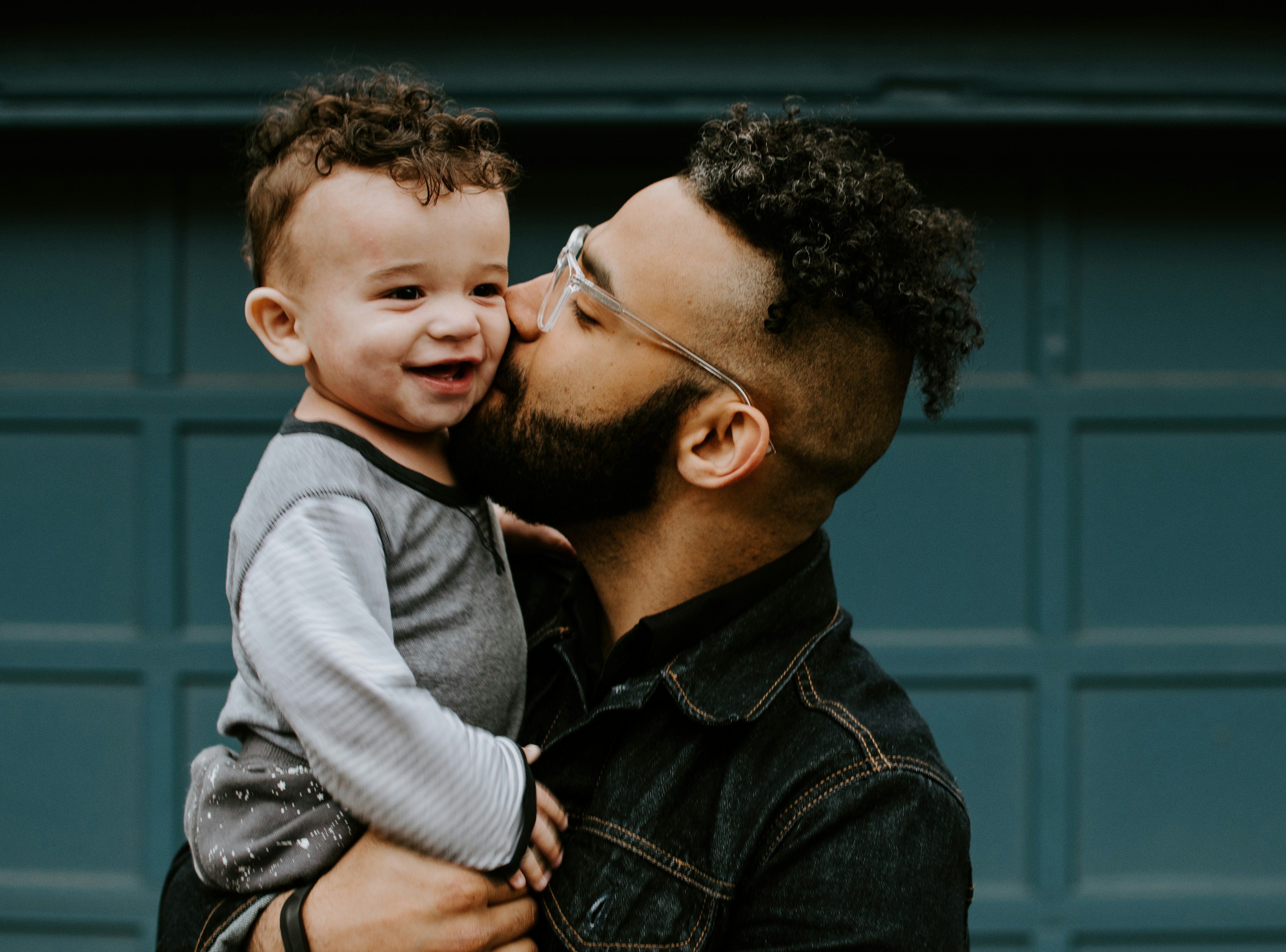
Gratitude, a powerful emotion that plays a crucial role in enhancing well-being and happiness, is not just beneficial for adults but is equally important for children. Teaching children to appreciate the good in their lives and express thankfulness can lead to improved mental health, better relationships, and a more optimistic outlook on life. This blog post explores the significance of nurturing gratitude in children, backed by scientific research, and provides parents with practical strategies to cultivate this vital trait in their young ones.
Understanding Gratitude in Children
The Concept of Gratitude
Gratitude in children involves recognising and appreciating the positive things and people in their lives. It’s about acknowledging help or kindness and experiencing a heartfelt, positive emotional response (Emmons & McCullough, 2003). This trait can significantly influence a child’s development, affecting everything from social dynamics to academic performance.
Benefits of Gratitude
Research has consistently shown that gratitude is associated with a higher level of happiness, lower levels of depression, and resilience in dealing with life’s challenges. Children who practice gratitude regularly are more likely to show kindness, share, and empathise with others, contributing to better peer relationships and social interactions (Froh et al., 2009). Furthermore, studies suggest that grateful children may perform better academically and enjoy school more (Bono & Froh, 2009).
Cultivating Gratitude: Strategies for Parents
By fostering an environment where gratitude is regularly practiced and valued, parents and educators can significantly impact the developmental trajectory of children, equipping them with the emotional tools necessary for a fulfilling life.
Modeling Gratitude
Children learn a great deal from observing their parents. By modeling gratitude—expressing thanks regularly, discussing the good parts of your day, and showing appreciation for family members—parents can provide a live example for children to emulate (Hussong et al., 2018).
Example: A parent can demonstrate gratitude by verbally thanking a cashier, expressing appreciation for a meal cooked by a spouse, or discussing the things they felt grateful for during family dinners.
Creating Daily Gratitude Routines
Incorporating gratitude into daily routines can help make this emotion a regular part of a child’s life. This might include practices such as sharing gratitude at the dinner table, keeping a family gratitude journal, or encouraging children to say one thing they’re thankful for before bedtime (Froh et al., 2011).
Example: Each family member takes turns at dinner to mention something they were grateful for that day, ranging from events at school to simple pleasures like a sunny day.
Encouraging Acts of Kindness
Participating in acts of kindness and generosity is a powerful way to cultivate gratitude. Encourage children to engage in small, thoughtful actions, such as making cards for family members or helping a friend in need. These actions can foster an appreciation for their own contributions to the happiness of others (Layous et al., 2012).
Example: Organising a weekend where the child helps bake cookies to deliver to neighbors or local community helpers like firefighters or nurses.
Practicing Mindful Reflection
Teaching children to reflect on the people and things that benefit their lives can enhance their ability to appreciate and express gratitude. Mindfulness activities geared towards children can help them pay attention to their experiences and the positive emotions associated with them (Renshaw & Cook, 2017).
Example: Guiding children through a simple mindfulness meditation, asking them to think about someone who made their day better and how it made them feel.
Using Books and Media
Select books and programs that emphasise themes of gratitude and kindness. Stories are a compelling way to illustrate the importance of being thankful and can spark discussions about gratitude in real-life situations (Cooney et al., 2014).
Example: Reading books like “The Giving Tree” by Shel Silverstein or “Thank You, Omu!” by Oge Mora, and discussing the characters’ acts of kindness and the effects of those acts.
Celebrating and Recognising Grateful Behaviours
Whenever a child expresses gratitude or engages in a kind act, recognise and celebrate it. Positive reinforcement can encourage them to continue behaving in a grateful manner (Gordon et al., 2011).
Example: If a child shares their toys with a sibling and shows appreciation for their sibling’s company, praise this specific behaviour by acknowledging how thoughtful it was and how it might have made their sibling feel.
Conclusion
Cultivating gratitude in children is an investment in their emotional and social development. It is a multifaceted endeavor that requires consistent reinforcement at home, in school, and through broader social interactions. By embedding gratitude into everyday practices, encouraging reflective and kind behaviours, and leading by example, parents can significantly influence their children’s capacity to appreciate and value their lives and those around them. These practices not only enhance a child’s immediate well-being but set a foundation for lifelong emotional health and happiness, and eventually contribute to a more compassionate society.
References
- Allan, B. A., & Law, D. J. (2018). Empirical studies of gratitude in psychological well-being. Journal of Positive Psychology, 13(4), 392-404.
- Bono, G., & Froh, J. J. (2009). Gratitude in school: Benefits to students and schools. In Handbook of positive psychology in schools (pp. 77-88). Routledge.
- Cooney, S., Huser, C., Small, S., & O’Connor, K. (2014). Evidence-based programs: An overview. What Works, Wisconsin – Research to Practice Series, 6, 1-8.
- Emmons, R. A., & McCullough, M. E. (2003). Counting blessings versus burdens: An experimental investigation of gratitude and subjective well-being in daily life. Journal of Personality and Social Psychology, 84(2), 377.
- Froh, J. J., Sefick, W. J., & Emmons, R. A. (2008). Counting blessings in early adolescents: An experimental study of gratitude and subjective well-being. Journal of School Psychology, 46(2), 213-233.
- Froh, J. J., Kashdan, T. B., Ozimkowski, K. M., & Miller, N. (2010). Who benefits the most from a gratitude intervention in children and adolescents? Examining positive affect as a moderator. The Journal of Positive Psychology, 5(5), 408-422.
- Gordon, A. K., Musher-Eizenman, D. R., Holub, S. C., & Dalrymple, J. (2004). What are children thankful for? An archival analysis of gratitude before and after the attacks of September 11. Applied Developmental Psychology, 25(5), 541-553.
- Hussong, A. M., Langley, H. A., Rothenberg, W. A., Coffman, J. L., Halberstadt, A. G., Costanzo, P. R., & Mokrova, I. (2018). Raising grateful children one day at a time. Social Development, 27(3), 620-637.
- Jennings, P. A., & Greenberg, M. T. (2009). The Prosocial Classroom: Teacher Social and Emotional Competence in Relation to Student and Classroom Outcomes. Review of Educational Research, 79(1), 491-525.
- Layous, K., Nelson, S. K., Oberle, E., Schonert-Reichl, K. A., & Lyubomirsky, S. (2012). Kindness counts: Prompting prosocial behavior in preadolescents boosts peer acceptance and well-being. PLOS ONE, 7(12), e51380.
- Park, N., & Dhandra, T. K. (2017). Digital applications for mindfulness interventions with adolescents: A systematic review. Mindfulness, 8(6), 1604-1618.
- Post, S. G. (2005). Altruism, happiness, and health: It’s good to be good. International Journal of Behavioral Medicine, 12(2), 66-77.
- Renshaw, T. L., & Cook, C. R. (2017). Introduction to the special issue: Mindfulness in the schools—Historical roots, current status, and future directions. Psychology in the Schools, 54(1), 5-12.
- Seligman, M. E., Steen, T. A., Park, N., & Peterson, C. (2005). Positive psychology progress: Empirical validation of interventions. American Psychologist, 60(5), 410-421.
Leave a Reply